Education
TCP/IP Model: What is it and how is it done?
The TCP/IP Model is the most popular network model that exists today. Read more to find out what it is and how it is done.
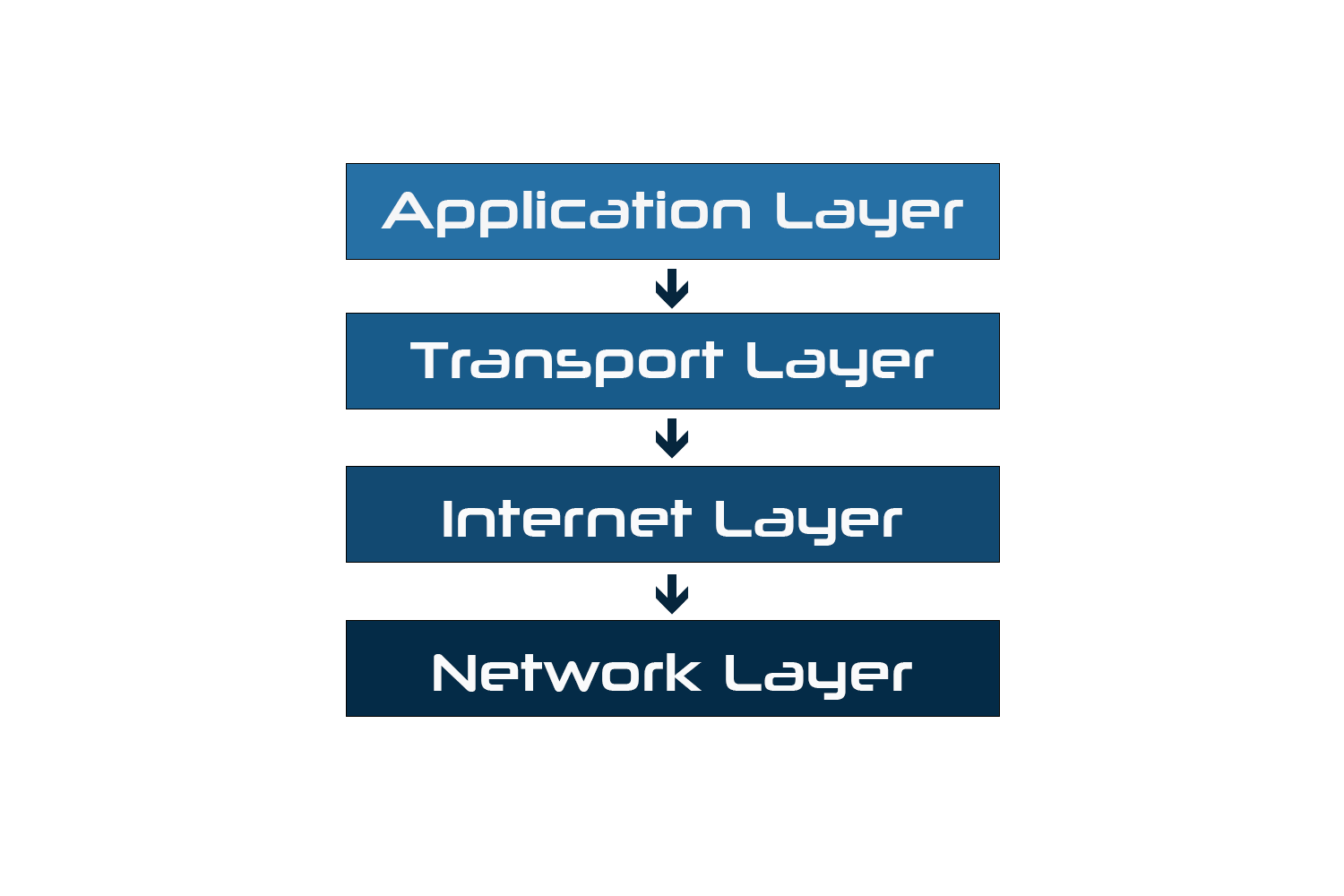
Networks and the internet have become an essential part of daily life; devices connecting over a network is standard, such as a smartphone connecting to a TV or a printer that is connecting to multiple devices on a single network. The main connection method used between ICT and IoT devices globally is the Transmission Control Protocol/Internet Protocol (TCP/IP) model. In this article, we will discuss what the TCP/IP model is, why this model is important, and the four different layers that come together to make up the TCP/IP model.
What is the TCP/IP model?
The TCP/IP model is a fundamental framework in the world of computer networking. The TCP/IP model was developed by the US Department of Defense (DOD) and became open source in 1983 when its original name (ARPANET) was changed to ITP/IP. The TCP/IP model was developed after the OSI model and has since replaced it. Read our article about the OSI model.
The TCP/IP framework helps standardize communication across networks and computers, ensuring that all data transmission across networks and the internet is the same. The model has different layers that each have a role in ensuring data transmission is effective and efficient with no data loss. Each layer in the model is connected to the other; they function together, unlike the OSI model where the layers are independent of each other.
Why is the TCP/IP model important?
The TCP/IP model has become essential to daily life due to our ever-increasing reliance on the cyber space and IoT devices. The reasons this model has become so important include:
- Universality: It is the universally accepted communication language used by all devices.
- Scalability: It can grow along with the internet and accommodate any changes while remaining functional.
- Reliability: Communication will remain reliable as the layers are separate and any problems that arise will be addressed in that layer.
- Global communication: All devices, no matter the make or model, can communicate with each other via E-Mail, or for gaming, business or personal reasons across the globe using this model.
Layer 1: Application Layer
The topmost layer in the TCP/IP model is the Application layer. This is the layer most people interact with and is responsible for defining how data should be formatted, processed, and presented to the user or application. It also ensures that if the connection between devices is lost during transmission, the connection can be restored and the data can be resent from the last checkpoint.
Example: One package containing multiple parts, such as two boxes of mugs, needs to be sent to a recipient across the country. The Application layer will ensure the boxes are packaged correctly and that they are recognizable as boxes containing mugs when they arrive at the recipient.
Layer 2: Transport Layer
The Transport layer is responsible for establishing the connection between the sender device and the recipient device, ensuring the data is sent in smaller packets and that the flow of the data is steady, with no flooding of the recipient device. This layer also ensures the data remains intact and without errors when being sent to the recipient.
Example: The packages are sent one by one to the recipient, so the recipient is not overwhelmed with the number of mugs being sent to them.
Layer 3: Internet Layer
The Internet layer is important in the TCP/IP model as it is the one responsible for both determining the best path the data can travel across and adding IP addresses to the system or device to ensure the data reaches the relevant destination.
Example: The courier will deliver the packages using the shortest and most efficient route to the address provided by the recipient.
Layer 4: Network Layer
The Network layer is the bottom layer in the TCP/IP model and is responsible for the transmission of the data between the two devices across the network. It uses the physical location of the devices to map the correct path the data should take through the network. The Network layer also ensures the quality of the data remains the same.
Example: The boxes of mugs are delivered to the recipient undamaged and on time.
Advantages of the TCP/IP Model
There are various benefits to using the TCP/IP model in your network. Some of the benefits include:
- Security: Effective security measures can be implemented on the network model.
- Reliability: The model is suitable for important systems and plans due to its reliability.
- Flexibility: Connection between different types of networks is possible.
- Affordable: The network is easy to achieve and maintain with low financial investment necessary.
Disadvantages of the TCP/IP Model
The TCP/IP model does have a few disadvantages. Some of them include:
- Complexity: The model is complex and requires certain skills to set up and manage.
- Performance: If the network is busy, it can create bottlenecks and cause delays in workflow.
- Area: The model is better suited to wide area networks (WAN) instead of smaller, local area networks (LAN).
Conclusion
The different layers in the TCP/IP model will ensure that the data being transmitted between devices arrives at the destination device without interruption or error and without overloading the network. The TCP/IP model framework is essential for the functioning of many aspects of daily life, such as communicating on a global scale, due to the growth of IoT devices and increased reliance on the internet. The different layers each have a fundamental role in transmitting data between devices, such as formatting the data, connecting the devices, finding the correct path for the data to be sent across, and finally, transmitting the data.
Visit our eLearning platform to learn more cybersecurity fundamentals.